
 Mahesh Kumar
Prime Minister Narendra Modi on Wednesday (December 25), laid the foundation stone for the Ken-Betwa River Linking National Project in Khajuraho, Madhya Pradesh, on the occasion of the 100th birth anniversary of former Prime Minister Atal Bihari Vajpayee.
In his address, Modi emphasized the significance of the project, which involves transferring water from the Ken river in Madhya Pradesh to the Betwa river in Uttar Pradesh.
“The Ken-Betwa river interlinking national project will open the door of prosperity in Bundelkhand reagion,” he said.
The project, which includes the construction of the Daudhan Dam and a 221 km-long canal, is designed to alleviate water stress in the Bundelkhand region by ensuring water security for agriculture and drinking needs.
Modi highlighted the challenge of water scarcity in the 21st century, stating that nations and states with effective water management will thrive.
He argued that previous governments, particularly the Indian National Congress, failed to address the water issues in Bundelkhand, which left the region struggling with water shortages.
The Congress party, however, criticized the project, asserting that it poses a threat to the Panna Tiger Reserve’s biodiversity.
Jairam Ramesh, the Congress’s general secretary in-charge of communications, expressed concerns about the potential environmental impact, particularly the risk to the tiger reserve and its ecosystem.
"Today the PM is giving one more evidence of the difference between his 'talk' and 'walk' on environment and forest matters. The Ken-Betwa river linking project for which he is laying the foundation stone today poses a serious threat to the biodiversity-rich Panna Tiger Reserve in Madhya Pradesh," Ramesh said in a post on X.
The Ken-Betwa Link Project is part of India’s National Perspective Plan for river interlinking, first outlined in 1980. It aims to irrigate over 10 lakh hectares of land annually, provide drinking water to 62 lakh people, and generate hydropower and solar energy.
The project is set to be completed in eight years and is expected to bring long-term economic benefits to the Bundelkhand region.
The project comprises two phases: Phase I will focus on the Daudhan Dam complex, including tunnels, a canal, and powerhouses, while Phase II will cover additional infrastructure like the Lower Orr Dam and Bina Complex Project.
The project received cabinet approval in December 2021 with a budget of Rs 44,605 crore.
Despite its ambitious goals, the project has faced significant opposition due to concerns over its environmental and social impact.
Experts warn that diverting water from the Ken river could disrupt the region’s delicate hydrology and lead to unforeseen consequences. The displacement of around 6,000 families and the potential loss of 23 lakh trees in the Panna Tiger Reserve are among the critical concerns.
The dam’s construction within the reserve could lead to the submergence of important tiger habitats, further fragmenting the ecosystem.
Additionally, hydrological studies have cast doubt on the efficacy of large-scale river interlinking, suggesting that such projects could negatively affect rainfall patterns and worsen water stress in other parts of the country.
Critics argue that the project ignores scientific advice and could lead to unintended ecological consequences, particularly by disrupting natural water cycles and the habitats of various species.
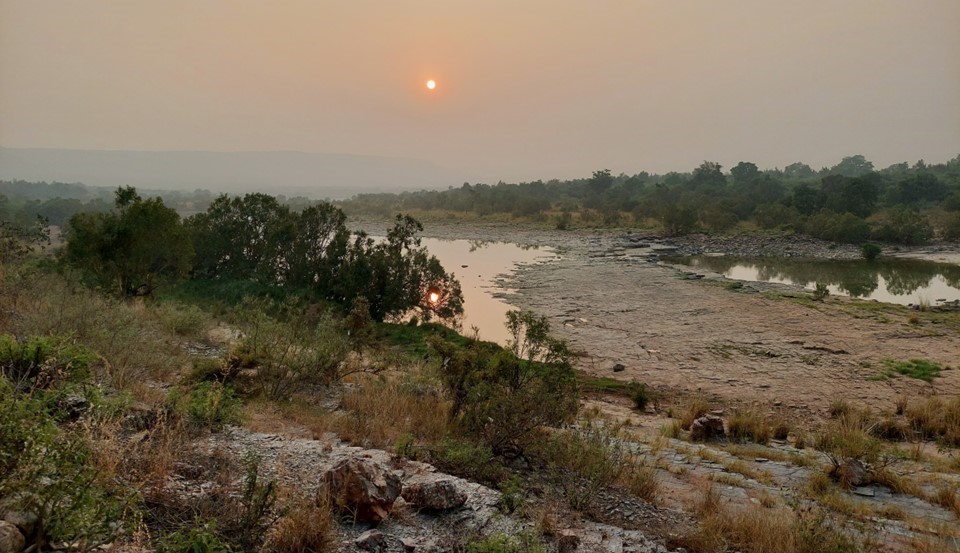 Ken river flowing through Panna Tiger Reserve. Bill Image.
Despite these concerns, the government has proceeded with the project, stating that it has been carefully planned to minimize environmental damage. However, critics argue that the project could set a dangerous precedent for other river interlinking proposals in India, which could further harm the environment and the livelihoods of local communities.
The Ken-Betwa river linking project is being touted as a transformative initiative for Bundelkhand, but its long-term environmental and social consequences remain to be seen.
While the government remains optimistic about its potential, the growing backlash from environmentalists, scientists, and local communities raises important questions about the balance between development and conservation in India’s quest for water security.
In his address, Modi emphasized the significance of the project, which involves transferring water from the Ken river in Madhya Pradesh to the Betwa river in Uttar Pradesh.
“The Ken-Betwa river interlinking national project will open the door of prosperity in Bundelkhand reagion,” he said.
The project, which includes the construction of the Daudhan Dam and a 221 km-long canal, is designed to alleviate water stress in the Bundelkhand region by ensuring water security for agriculture and drinking needs.
Modi highlighted the challenge of water scarcity in the 21st century, stating that nations and states with effective water management will thrive.
He argued that previous governments, particularly the Indian National Congress, failed to address the water issues in Bundelkhand, which left the region struggling with water shortages.
The Congress party, however, criticized the project, asserting that it poses a threat to the Panna Tiger Reserve’s biodiversity.
Jairam Ramesh, the Congress’s general secretary in-charge of communications, expressed concerns about the potential environmental impact, particularly the risk to the tiger reserve and its ecosystem.
"Today the PM is giving one more evidence of the difference between his 'talk' and 'walk' on environment and forest matters. The Ken-Betwa river linking project for which he is laying the foundation stone today poses a serious threat to the biodiversity-rich Panna Tiger Reserve in Madhya Pradesh," Ramesh said in a post on X.
Today the PM is giving one more evidence of the difference between his 'talk' and 'walk' on environment and forest matters.
— Jairam Ramesh (@Jairam_Ramesh) December 25, 2024
The Ken-Betwa river linking project for which he is laying the foundation stone today poses a serious threat to the biodiversity-rich Panna Tiger Reserve…
The Ken-Betwa Link Project is part of India’s National Perspective Plan for river interlinking, first outlined in 1980. It aims to irrigate over 10 lakh hectares of land annually, provide drinking water to 62 lakh people, and generate hydropower and solar energy.
The project is set to be completed in eight years and is expected to bring long-term economic benefits to the Bundelkhand region.
The project comprises two phases: Phase I will focus on the Daudhan Dam complex, including tunnels, a canal, and powerhouses, while Phase II will cover additional infrastructure like the Lower Orr Dam and Bina Complex Project.
The project received cabinet approval in December 2021 with a budget of Rs 44,605 crore.
Despite its ambitious goals, the project has faced significant opposition due to concerns over its environmental and social impact.
Experts warn that diverting water from the Ken river could disrupt the region’s delicate hydrology and lead to unforeseen consequences. The displacement of around 6,000 families and the potential loss of 23 lakh trees in the Panna Tiger Reserve are among the critical concerns.
The dam’s construction within the reserve could lead to the submergence of important tiger habitats, further fragmenting the ecosystem.
Additionally, hydrological studies have cast doubt on the efficacy of large-scale river interlinking, suggesting that such projects could negatively affect rainfall patterns and worsen water stress in other parts of the country.
Critics argue that the project ignores scientific advice and could lead to unintended ecological consequences, particularly by disrupting natural water cycles and the habitats of various species.
Ken river flowing through Panna Tiger Reserve. Bill Image.Despite these concerns, the government has proceeded with the project, stating that it has been carefully planned to minimize environmental damage. However, critics argue that the project could set a dangerous precedent for other river interlinking proposals in India, which could further harm the environment and the livelihoods of local communities.
The Ken-Betwa river linking project is being touted as a transformative initiative for Bundelkhand, but its long-term environmental and social consequences remain to be seen.
While the government remains optimistic about its potential, the growing backlash from environmentalists, scientists, and local communities raises important questions about the balance between development and conservation in India’s quest for water security.


Comments (0)
Leave a Comment